
Planning your exit strategy
We are hearing more and more that our well-being, or spiritual health, is improved by being on top of practical considerations about matters that affect the end of our lives. As part of our on-going dialogue about healthy ageing we invited two experts to come to explore some of the practical aspects of “putting our affairs in order”. Or, in the spirit of the new openness, how to go about organising what we would like to happen when we die, or to help those who will have to make decisions about what we want if we can no longer do so for ourselves.
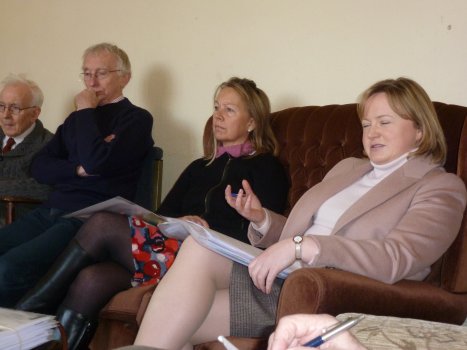
Our two experts – Margaret Ross and Jo Downie from Balfour and Manson – joined a group of 15 to discuss wills, power of attorney and funeral wishes, and very importantly to explain what is important; how to put what you want in place; recognising the time to involve others; and who to speak to. It sounds like a sombre agenda for an afternoon but we all appreciated the opportunity to ask questions, and received lots of information, including written checklists, to take away.
Perhaps the most valuable part of the occasion was the 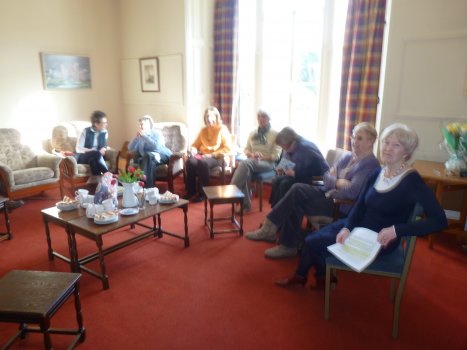 chance to talk openly and hear examples from Margaret and Jo of their experience of this whole subject that is not always easy to bring up in conversation with family and friends. However communication was the critical message, making sure that the family, the GP, the minister knows what you want to happen.
A few days later some of the congregation attended the annual Malcolm Goldsmith lecture, given this year by Baroness Julia Neuberger. Her subject was The Importance of a Good Death, in which she emphasised that we have lost the art of dying, and that a good death is as important for the person dying as for the  bereaved. Her talk was provocative, witty, plain speaking and reinforced the message about recording and sharing our wishes. It concluded with a very practical list of bullet points or Principles for a Good Death:
· Be able to know when death is coming and understand what can be expected
· Be able to retain control of what happens
· Be afforded dignity and privacy
· Have control over pain relief and other symptoms
· Have choice and control over where death occurs
· Have access to any spiritual and emotional support required
· Have access to information and expertise of whatever kind is necessary
· Have access to hospice care in any location, not only in hospital
· Have control over who is present and who shares the end
· Be able to issue advance directives which make sure wishes are respected
· Have time to say goodbye and control over other aspects of timing
· Be able to leave when it is time to go and not have life prolonged pointlessly
From ‘Not Dead Yet’ by Julia Neuberger in 2008 Originally published by Age Concern in 2000 for the Millennium Debate of the Age.
An audio clip of the Malcolm Goldsmith Lecture, delivered by Rabbi Baroness Neuberger is now available on the Faith in Older People web site at this link.
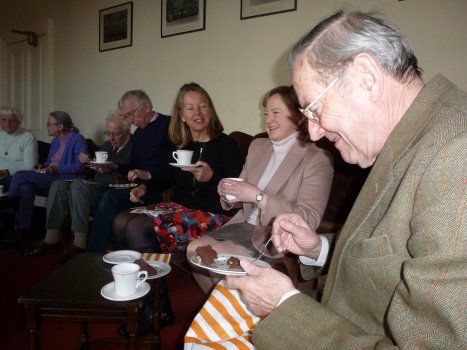
Both events wound up with time to talk and tea with cake.